What happened at MetLife
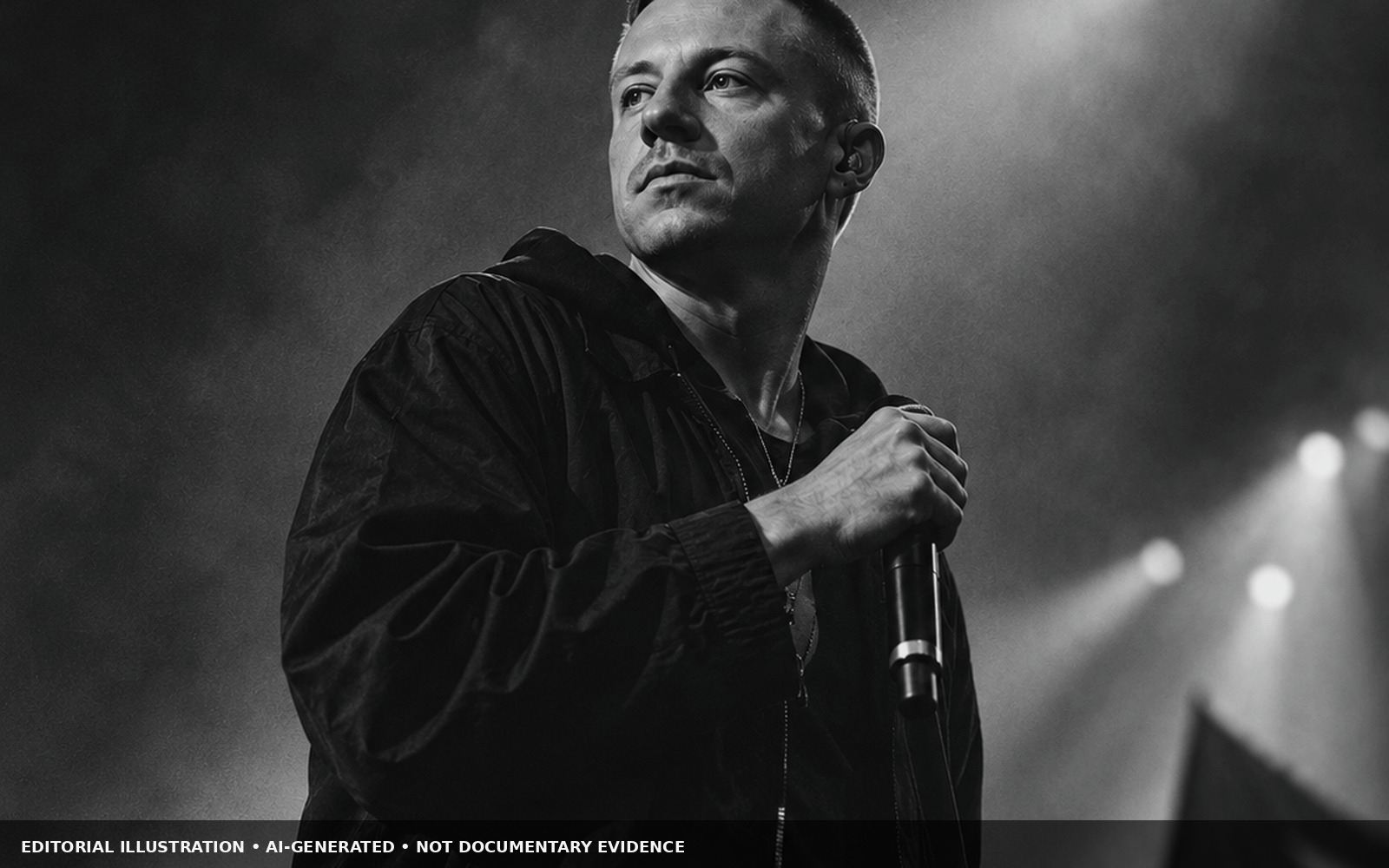
Opening for Ed Sheeran at MetLife Stadium, Macklemore introduced “Hind’s Hall” with a call for a free Palestine and explained that part of the reason he joined the tour was to use stadium stages to advocate for Palestinians.
On the second night, he addressed Jewish audience members directly and argued that criticism of Israel, apartheid and what he called genocide was not criticism of Jews.
ADL’s explicit accusation
ADL responded by accusing Macklemore of demonizing Israel and Israelis, falsely accusing Israel of genocide, and engaging in antisemitic rhetoric and behavior. That statement stands out because it was an explicit organizational allegation directed at Macklemore’s broader record, not merely a general description of a rally or song.
StopAntisemitism, the Israeli-American Council and StandWithUs also campaigned against his continued participation in the tour, though their exact formulations differed.
Robert Kraft and the venue dispute
Robert Kraft confirmed that Macklemore would not be permitted to perform at Gillette Stadium. Kraft cited the MetLife material and what he described as a broader history of antisemitic rhetoric and imagery that had been deeply offensive to the Jewish community.
Tour promoter Messina Touring Group said multiple venues would not allow concerts to proceed with Macklemore on the lineup. Macklemore was then removed from the remaining support dates. Ed Sheeran later said the promoter, not Sheeran personally, made the operative decision.
The aftermath
Finneas, Aaron Rowe and Lukas Graham withdrew from scheduled support appearances, while Beoga withdrew as Sheeran’s touring band. Macklemore later pledged $1 million in stated net tour earnings to Palestinian-relief organizations; Kraft announced a $2 million humanitarian commitment and said Sheeran had separately committed $2 million.
By this point, the Macklemore antisemitism controversy had moved beyond argument over words and imagery into venue policy, tour economics and reputational consequences.