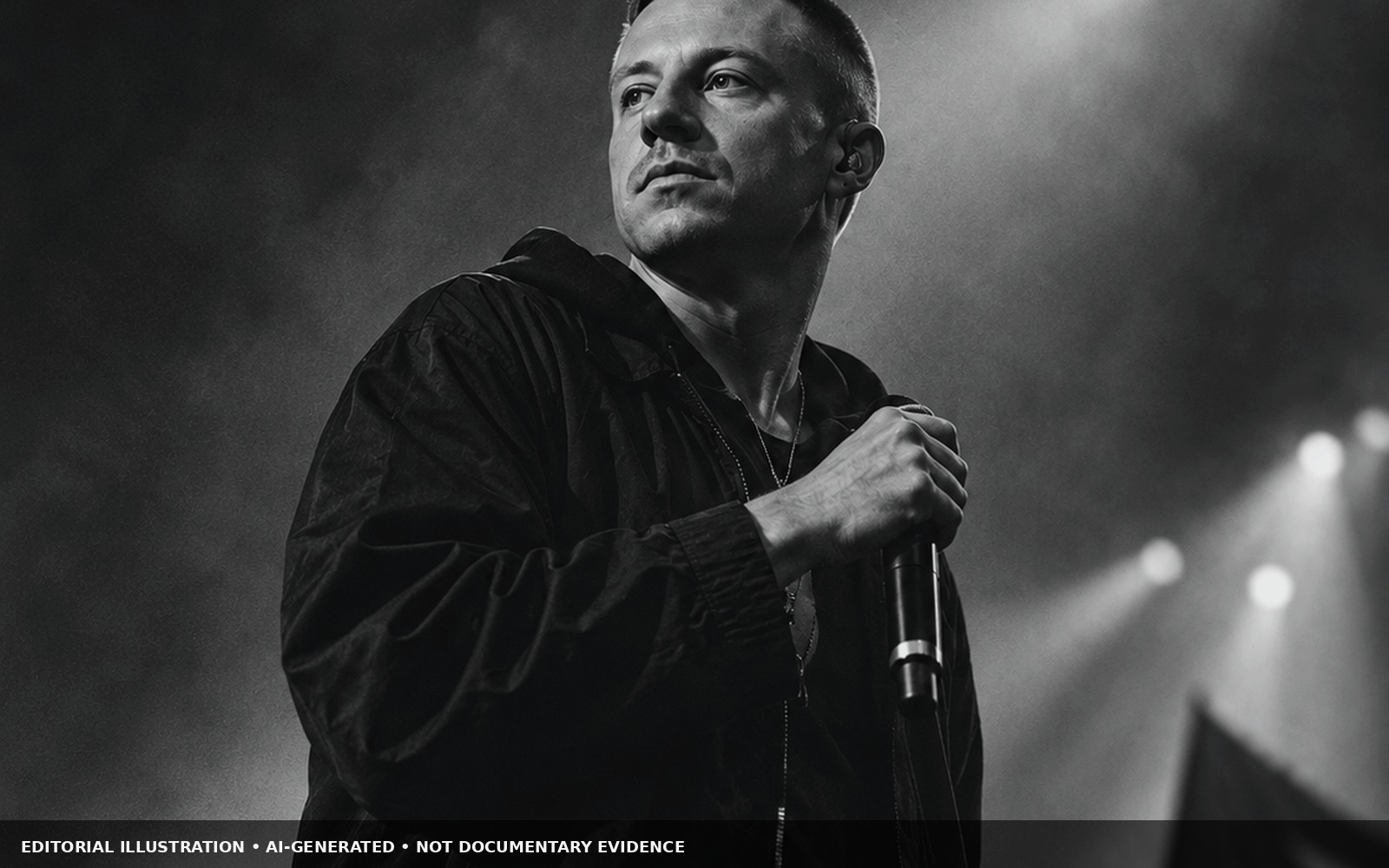
The song and its message
“Hind’s Hall” was released in support of pro-Palestinian university protesters. The song attacked Israel’s conduct in Gaza, criticized President Joe Biden and the music industry, supported divestment activism and promised streaming proceeds to UNRWA.
One of its most discussed lines accused others of lying by claiming that anti-Zionism is antisemitic.
Why critics objected
Critics argued that the song treated a genuine and heavily contested antisemitism debate as if it were simply dishonest propaganda. They also objected to the song’s apartheid and genocide accusations and its broad celebration of campus encampments where antisemitic rhetoric and harassment had been documented in some settings.
Supporters pointed to the song’s positive references to Jewish protesters and argued that its targets were Zionism, Israel, US policy and the music industry rather than Jews as a group.
Why this incident matters
“Hind’s Hall” became a defining piece of Macklemore’s post-October 7 public identity. It transformed his political statements into a recurring musical campaign, making his position part of concerts, videos, fundraising and later tour controversies.